


What is RED-S?
In sport, athletes are often encouraged to train harder, push their limits and strive for peak performance. However, what happens when the body does not receive enough energy to meet the demands of training and everyday life? This is where ‘Relative Energy Deficiency in Sport’ (RED-S) becomes important.
What is RED-S?
RED-S stands for Relative Energy Deficiency in Sport. The term was first introduced by the International Olympic Committee (IOC) in a scientific consensus statement published in 2014, led by Mountjoy and colleagues. The research expanded on the previously recognised ‘Female Athlete Triad’, highlighting that inadequate energy availability can affect both male and female athletes and impact multiple body systems, not just reproductive health and bone density. (Mountjoy et al., 2014)
RED-S occurs when an athlete does not consume enough energy to support both their exercise demands and the body's essential functions, such as hormone regulation, recovery, immunity and maintaining healthy bones. This is known as low energy availability (LEA).
Importantly, RED-S is rarely intentional. Some athletes may deliberately restrict their food intake due to body-image pressures or a desire to achieve a particular physique, while others may simply underestimate how much fuel their training requires.
How can RED-S affect athletes?
Although athletes are often perceived as healthy because of their fitness and physical performance, under-fuelling can have serious consequences.
RED-S can affect several aspects of health, including:
Hormonal health: Disruption to menstrual function in females and reproductive hormones in males.
Bone health: Reduced bone density and an increased risk of stress fractures.
Performance and recovery: Persistent fatigue, reduced endurance, impaired recovery and difficulty adapting to training.
Immune function: Increased susceptibility to illness and infection.
Psychological wellbeing: Mood changes, difficulty concentrating and a potentially complicated relationship with food and exercise.
These effects can develop gradually, meaning athletes may not recognise the warning signs until their health or performance begins to suffer.
What is the link between RED-S and eating disorders?
RED-S and eating disorders overlap, but they are not the same thing. An eating disorder can contribute to low energy availability, which may lead to RED-S. However, RED-S can also develop unintentionally when an athlete's nutritional intake does not meet their training demands, even without an eating disorder.
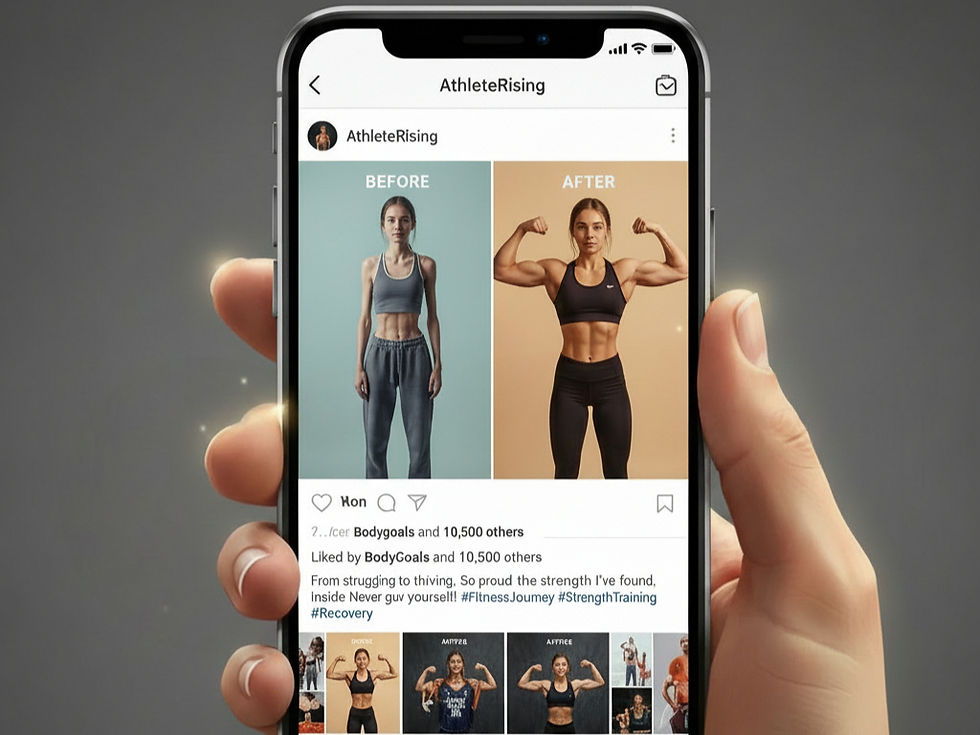
This distinction is particularly important in competitive sport, where restrictive eating or excessive exercise can sometimes be praised as signs of dedication. Coaches, athletes and support staff must recognise that being leaner or training more does not automatically mean performing better.
How can RED-S be prevented?
Prevention begins with ensuring that athletes consume enough energy to support their training, recovery, growth and overall health. A balanced approach to nutrition, adequate rest and appropriate training loads can help reduce the risk.
Coaches and sports nutrition professionals also have an important role in promoting positive attitudes towards food and body image, recognising warning signs and encouraging athletes to seek support when needed.
If an athlete experiences persistent fatigue, recurrent injuries, menstrual changes or declining performance, they should seek assessment from an appropriately qualified healthcare professional.
Take home message
RED-S highlights an essential message in sport: athletes cannot perform at their best if they are not adequately fuelled. Understanding the risks of under-fuelling and recognising its early signs can help protect athletes' long-term health, wellbeing and performance.
Ultimately, success in sport should not be measured by how little an athlete eats or how much they train, but by their ability to perform, recover and remain healthy.


Comments